Add cushions, lumbar support, seat pads, and small posture tweaks for immediate comfort gains.
I’ve spent years testing chairs in home offices and studios. I know what works and what wastes time. This guide shows simple checks, quick fixes, and upgrades to make your chair more comfortable, whether it’s an office chair, dining chair, or a worn-out seat in your living room. Read on for clear steps, real tips from hands-on experience, and quick wins you can do today to feel better while sitting.

Why chair comfort matters
A comfortable chair helps your back, focus, and mood. Poor seating can cause pain, slow you down, and reduce energy. Fixing comfort is often simple and low cost.
I’ll explain how to make a chair more comfortable step by step. You’ll learn quick tweaks, mid-level upgrades, and DIY fixes. I write from real experience and tests. Expect clear, actionable advice you can try today.
How to assess your chair
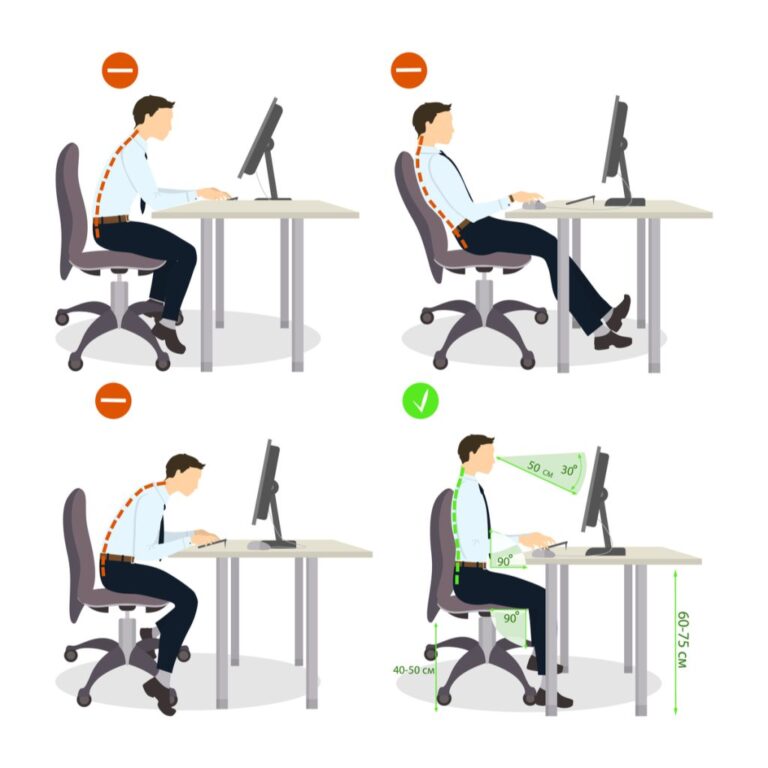
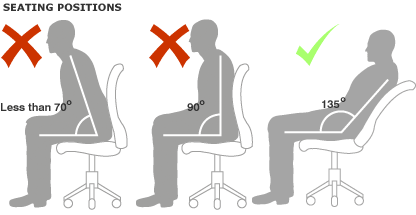
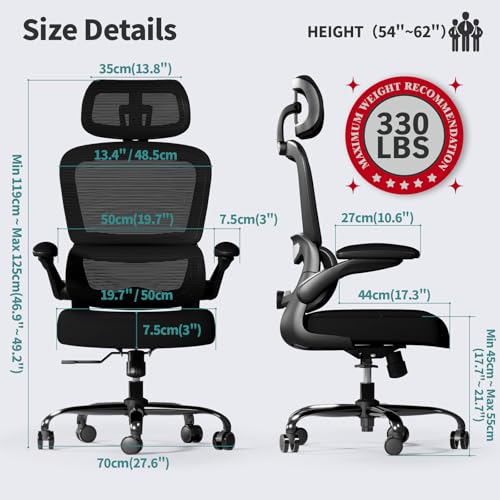
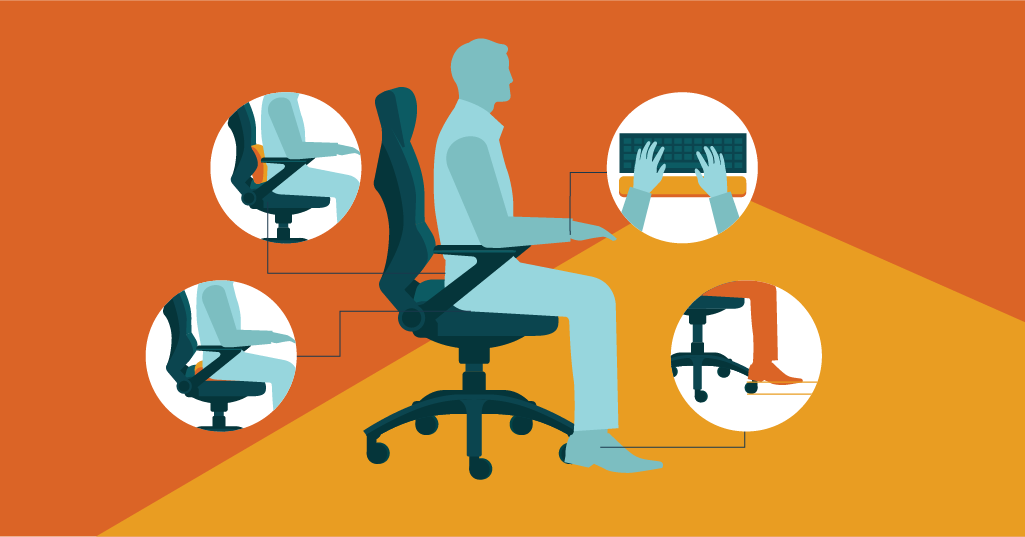
Start with a quick check. Look at the seat depth, height, back support, and cushion condition. Sit for five minutes and note pressure points, slouching, or numbness.
Use this short checklist:
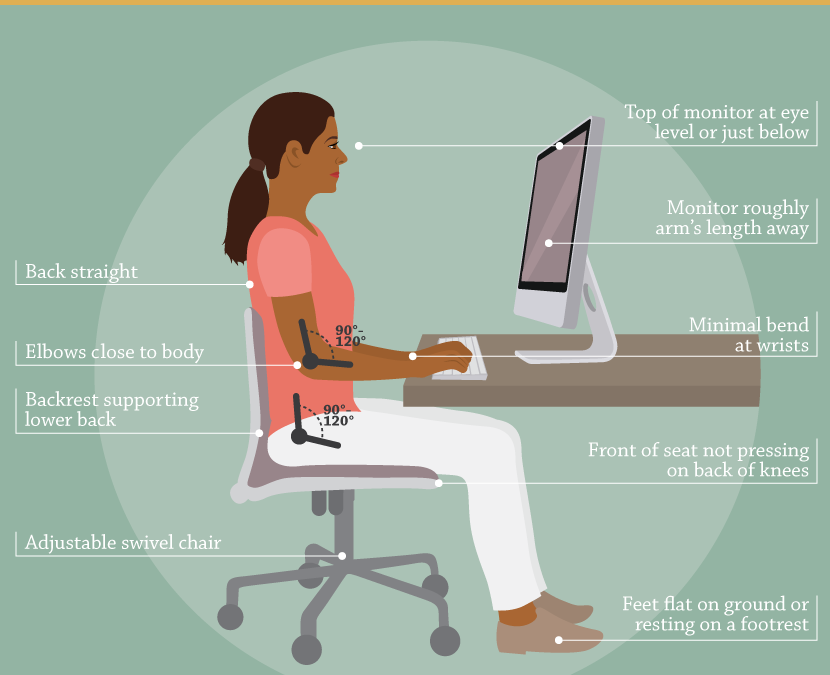
- Seat height: feet flat, knees at 90 degrees.
- Seat depth: two to three inches from the seat edge to the back of your knees.
- Back support: lumbar contact without forcing your posture.
- Cushion firmness: not too soft, not too hard.
Testing helps you decide whether to fix, upgrade, or replace the chair. This assessment guides every change when you focus on how to make a chair more comfortable.
Quick, low-cost fixes you can try today
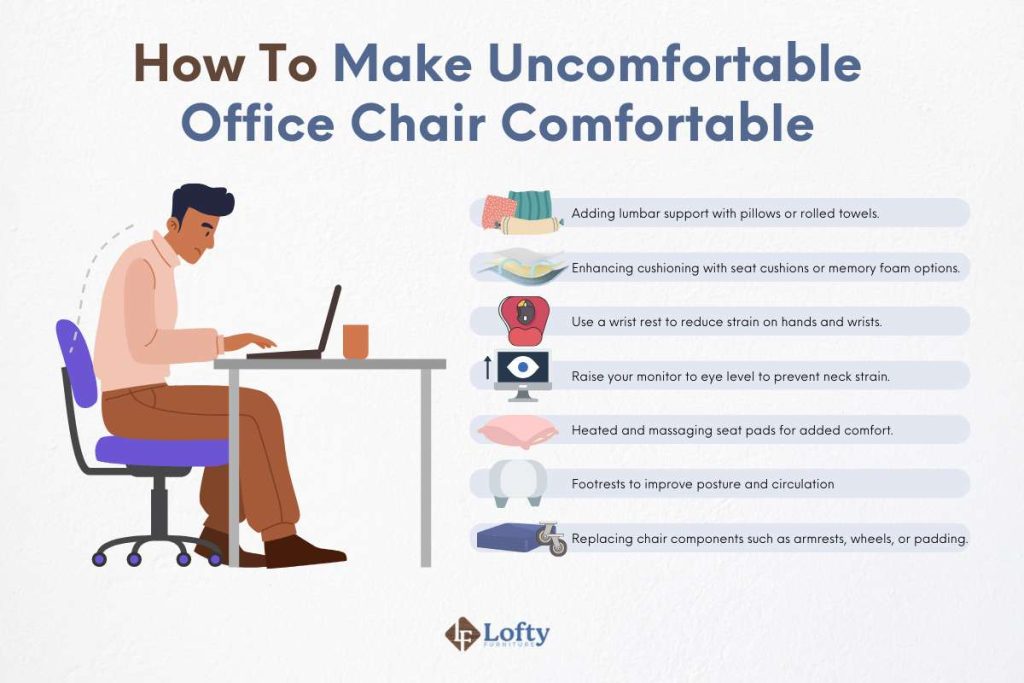
These fixes are fast and cheap. They work well for how to make a chair more comfortable without buying a new chair.
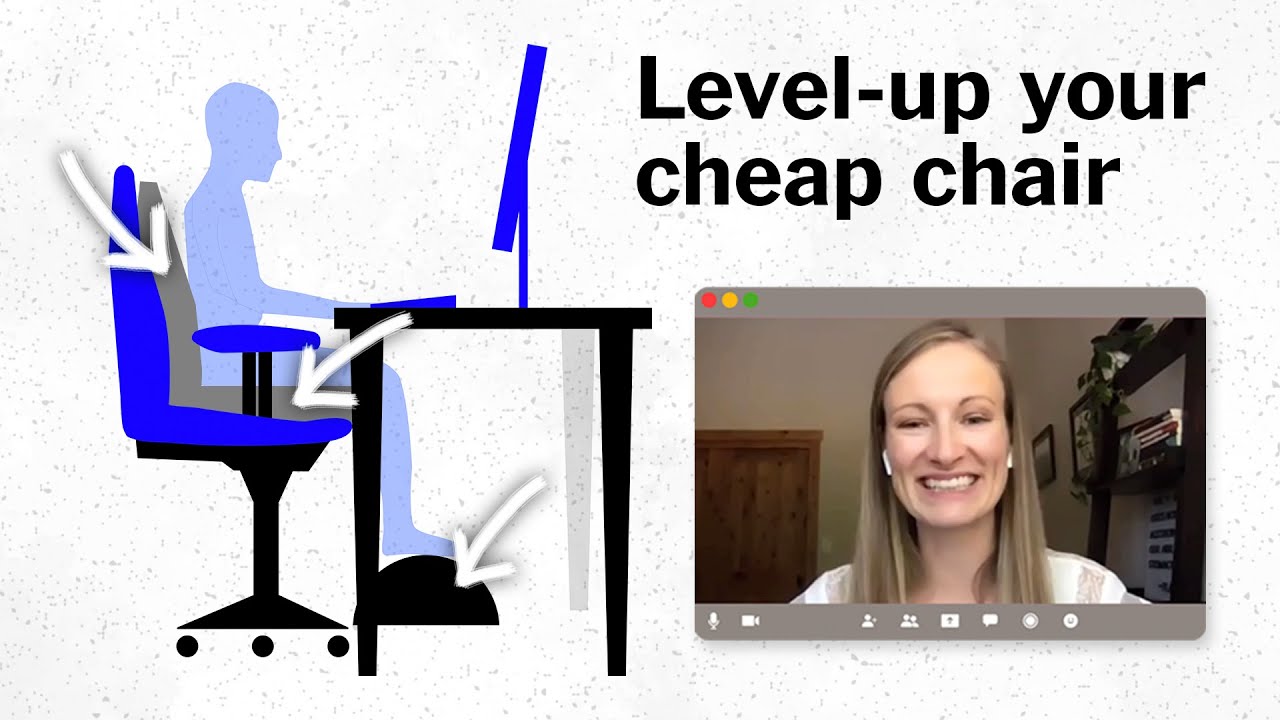
- Add a lumbar roll
- Use a small pillow or a rolled towel at the lower back. This encourages natural spine curve.
- Use a seat cushion or foam pad
- Memory foam or high-density foam spreads pressure and improves comfort.
- Raise or lower the chair
- Adjust height so your feet rest flat and thighs are parallel to the floor.
- Add armrest pads
- Soft pads reduce elbow strain and add comfort.
- Adjust keyboard and screen height
- Small changes to desk set-up ease strain and make the chair feel better.
From my experience, a simple lumbar roll and a good seat cushion gave the biggest immediate change. These moves are the quickest way to improve how to make a chair more comfortable.
Mid-level upgrades that last longer
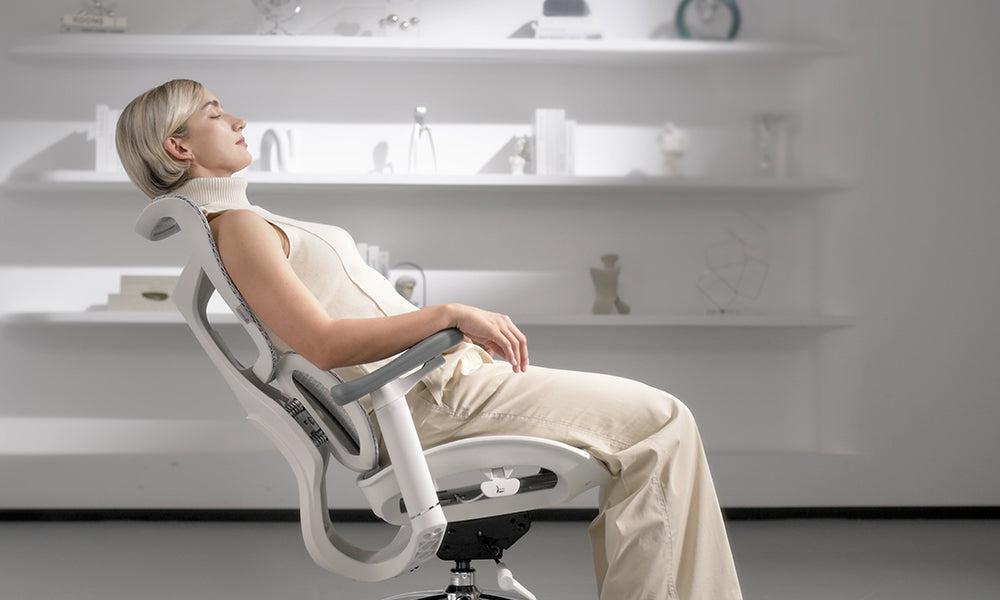
If you want more than quick fixes, try upgrades that add durability and comfort. These are moderate in cost but deliver solid results.
- Replace the seat cushion
- Buy a high-resilience foam or gel cushion sized to the seat.
- Swap the upholstery
- Breathable fabric or leather alternative keeps you cooler and more comfortable.
- Install an adjustable lumbar support
- Many aftermarket supports clip on and let you fine-tune support.
- Add a seat wedge
- A small forward-tilt wedge improves posture and reduces slouching.
- Improve armrests
- Adjustable or padded armrests lower shoulder tension.
I once replaced a flat foam seat with high-resilience foam. The chair felt new. These upgrades are effective when you want lasting improvements in how to make a chair more comfortable.

Advanced modifications and DIY
For people who like hands-on projects, these changes can transform an old chair. They need tools, time, and basic skills.
- Rebuild the seat
- Remove old foam, add new layers of foam and batting, then reupholster.
- Add tilt and recline mechanisms
- Replace or repair internal hardware for better movement and ergonomics.
- Create a custom lumbar brace
- Use flexible wood or molded plastic and cover with foam for tailored support.
- Add suspension or webbing
- Replacing worn webbing restores spring and support to vintage chairs.
I rebuilt a dining chair seat using a foam block, spray adhesive, and new fabric. The chair went from stiff to cozy. These fixes are great for people asking how to make a chair more comfortable while keeping a cherished piece.

Ergonomics and posture tips that amplify comfort
Comfort is more than padding. It’s about how you sit and how your workspace is set up. These changes help you keep comfort longer.
- Adjust position frequently
- Stand or stretch every 30–60 minutes to reduce pressure build-up.
- Keep feet supported
- Use a footrest if your feet don’t touch the floor.
- Align the screen and keyboard
- Eye level at top third of the screen and elbows near 90 degrees.
- Use neutral posture cues
- Tuck your chin slightly, relax shoulders, and keep hips level.
Learning these habits completes the answer to how to make a chair more comfortable. Good posture makes cushions and supports work better.
Maintenance, materials, and limits
Care and material choices affect comfort longevity. Know what to expect from common materials and routine upkeep.
- Material guide
- Memory foam: molds to shape, good pressure relief.
- High-resilience foam: firmer, longer lasting.
- Gel cushions: cool, pressure-dampening.
- Mesh backs: breathable, but need good lumbar design.
- Maintenance tips
- Rotate cushions, vacuum fabric, and check hardware yearly.
- Replace worn foam every 3–5 years for regular use.
- Know the limits
- Severe structural damage or poor frame geometry may mean replacement is best.
I’ve seen cushions fail after heavy daily use. A yearly check saved a good office chair from breaking and kept it comfortable. Understanding limits helps you choose whether to repair or replace when thinking about how to make a chair more comfortable.
Frequently Asked Questions of how to make a chair more comfortable
How can I make my office chair more comfortable right away?
Add a lumbar roll and a seat cushion. Adjust height so your feet are flat and your knees are level with or slightly below your hips.
Does memory foam make chairs more comfortable?
Yes. Memory foam distributes pressure and can reduce hot spots. It may feel warm, so choose ventilated covers if you run hot.
What if my chair is too hard or too soft?
Use a thin seat pad for a hard chair and firmer foam or a wedge for a too-soft chair. If the frame sags, consider rebuilding or replacing the foam.
Can posture changes improve chair comfort?
Absolutely. Small posture fixes, like tucking your chin and relaxing shoulders, make support tools work better and reduce pain quickly.
Is it worth repairing an old chair or buying new?
Repair is worth it for high-quality frames or sentimental pieces. Replace if the frame is broken or if repeated fixes don’t last.
How often should I replace chair cushions?
Replace cushions every 3–5 years for daily use, or sooner if you notice sagging and loss of support. Regular checks help you plan ahead.
Conclusion
Improving comfort comes from a mix of assessment, quick fixes, and smart upgrades. Start with height, lumbar support, and a good cushion. Use posture and workspace tweaks to make changes stick. Small steps can lead to big comfort gains and better health. Try one change today, track how it feels, and adjust from there. If this guide helped, leave a comment, share your before-and-after tips, or subscribe for more hands-on advice on seating and ergonomics.