Adjust padding, lumbar support, and seat height to make an uncomfortable chair comfortable.
I’ve fixed dozens of chairs at home and in small offices, so I know what works. This guide on how to fix uncomfortable chair at home walks you through simple checks, quick fixes, and cost-effective upgrades. Read on to learn step-by-step ways to relieve pain, restore support, and extend the life of your chair—without buying a new one.
:max_bytes(150000):strip_icc()/dining-room-mistakes-GettyImages-1315344554-8e4b003997044db2a762ab7b4aec5a68.jpg)
Common reasons a chair feels uncomfortable
Most chairs get uncomfortable for clear reasons. Worn padding flattens. The lumbar support is missing or misplaced. Seat depth, height, or tilt are wrong. These issues show up in home chairs, dining chairs, and office seats.
Knowing the cause makes repair easier. Before you start, test the chair for seat height, back support, and cushion firmness. A quick test takes two minutes and guides your next step.

Basic tools and materials to have ready
You don’t need a full workshop to fix an uncomfortable chair at home. Gather a few items first.
- Screwdriver set for screws and bolts.
- Adjustable wrench or socket set for tight fasteners.
- Staple gun and heavy-duty staples for reupholstery tasks.
- Foam padding, memory foam, or replacement cushions.
- Lumbar pillow or rolled towel for temporary support.
- Fabric, scissors, and spray adhesive for simple covers.
- Wood glue and clamps for loose joints.
Having these on hand saves time and keeps small fixes neat and durable. I keep a kit in my closet for quick chair repairs. It cuts the time I spend fixing chairs by half.

Quick adjustments you can make in 10 minutes
Fast tweaks often solve most discomfort. Try these easy moves before any heavy repair.
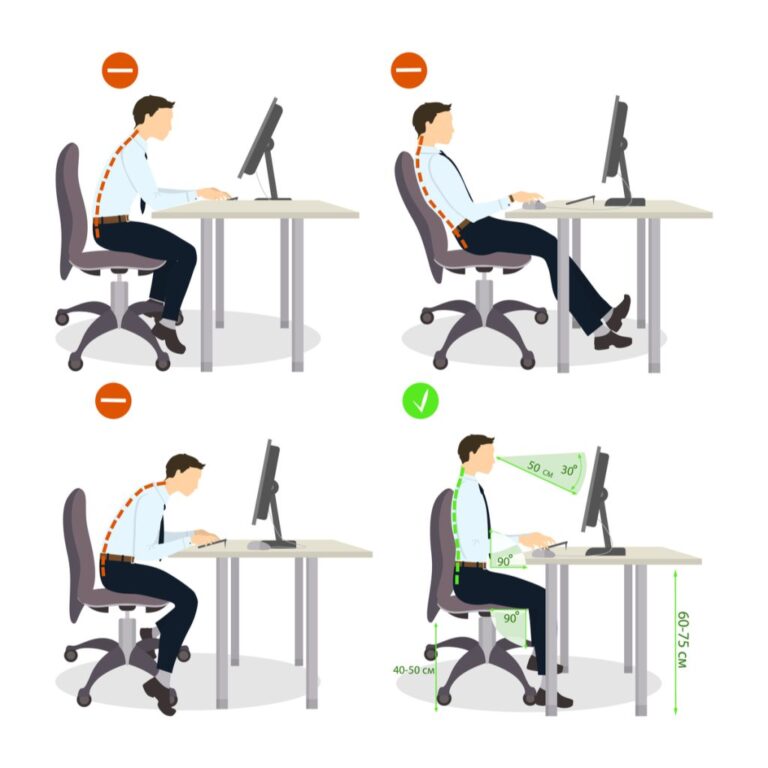
- Adjust seat height to make feet flat on the floor and knees at about 90 degrees.
- Add a lumbar pillow or small rolled towel at the lower back.
- Place a folded towel or thin cushion under the seat front to reduce pressure on the thighs.
- Swap the chair to a firmer surface (a rug or hard floor) to change feel.
- Tighten loose screws and bolts so the chair does not wobble.
I often start with a lumbar pillow and height tweak. Most people notice big relief within the first five minutes. These steps also help you decide if more work is needed.
How to add or replace seat padding
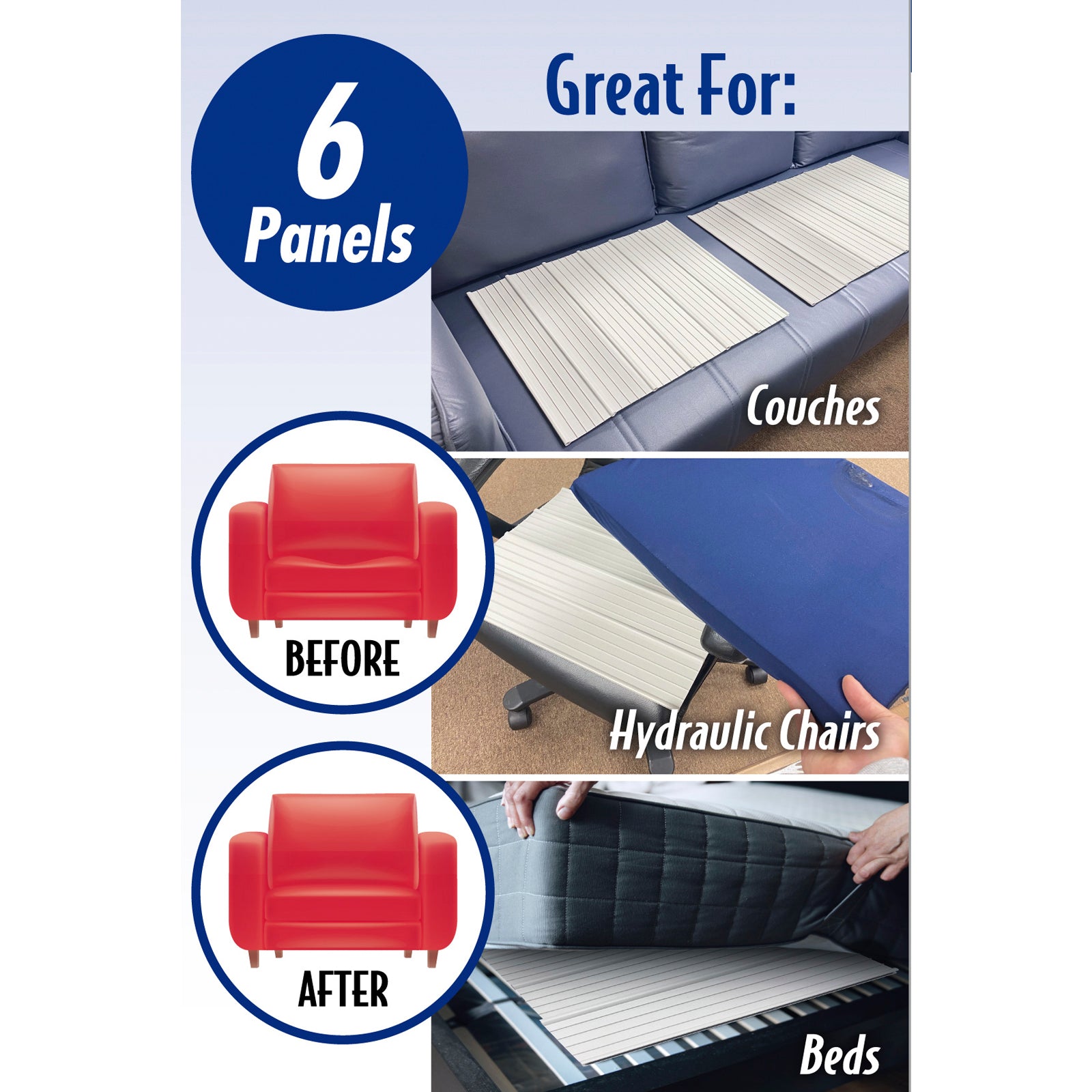
Replacing padding is the most common fix when learning how to fix uncomfortable chair at home. Good foam restores comfort and support.
- Remove the seat from the frame. Unscrew the fasteners and set them aside in a labeled cup.
- Peel off the old fabric or foam. Keep note of how the fabric was attached.
- Measure the seat base. Buy foam that matches the thickness and density you want. High-density foam holds shape longer.
- Cut foam to size using a serrated knife. Test the fit and trim small amounts until it feels right.
- Use spray adhesive to attach foam to the seat base. Re-cover with fabric and staple the fabric under the seat, pulling snugly.
Choose memory foam for pressure relief and high-density polyurethane for long-term support. I replaced the sagging foam in my desk chair once and avoided buying a new chair for three more years.

Reupholstering basics for a cleaner seat
If the fabric is torn or limp, reupholstering helps both look and feel. You don’t need pro skills for a simple job.
- Remove the old fabric and foam. Keep the old cutouts as templates.
- Cut replacement fabric leaving extra for stapling around edges.
- Lay foam and fabric over the seat base and pull fabric tight.
- Staple fabric under the seat every 1 to 2 inches, keeping the fabric even.
- Trim excess fabric and reattach the seat to the chair.
Use strong, durable fabric for high-use chairs. You can get upholstery-grade fabric at home stores. My first reupholstery job looked rough but felt great and saved money.

Fixing the frame, springs, and joints
Sometimes discomfort comes from a loose frame or weak springs. Fixing structure restores support.
- Tighten all screws, bolts, and brackets first.
- For loose wooden joints, apply wood glue and clamp for 24 hours.
- Replace damaged screws or bolts with slightly longer or thicker ones if threads are stripped.
- If springs or webbing under the seat are sagging, replace them or add plywood support under the foam.
- Inspect casters and bases on office chairs. Replace worn casters for smoother movement.
A cracked frame often needs replacement or major repair. If you find rot or deep cracks, decide whether to replace the chair. I fixed a favorite dining chair by adding a plywood seat base and new foam; it felt firm again in one afternoon.

Ergonomic adjustments for long-term comfort
For regular use, ergonomic tweaks matter. They reduce fatigue and prevent pain.
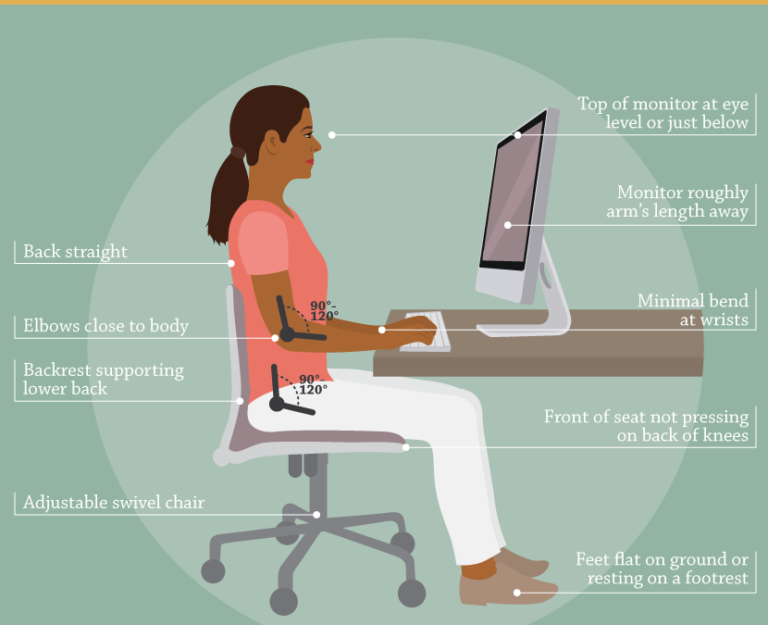
- Seat height: feet flat, thighs parallel to the floor.
- Seat depth: 2 to 3 inches space between seat edge and back of knees.
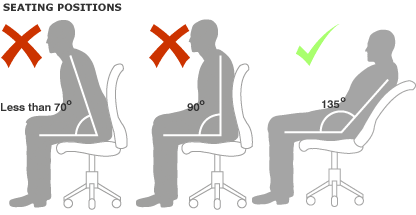
- Backrest angle: slightly reclined 100–110 degrees is comfortable for many tasks.
- Armrests: set so shoulders are relaxed and elbows near 90 degrees.
- Lumbar support: position to fill the natural curve of your lower back.
Try changes one at a time and sit for 10 minutes to feel the effect. Small changes compound into big comfort gains. I adjust my chair three times a week to match tasks like typing or reading.

Low-cost comfort upgrades
You don’t need to spend much to fix an uncomfortable chair at home. Try these budget-friendly options.
- Use a seat cushion or gel pad to add softness.
- Add a lumbar roll or use a small travel pillow.
- Use a chair mat to stabilize rolling chairs and change feel.
- Layer a thin memory foam topper over the seat for improved pressure relief.
- Replace casters to improve movement and reduce jarring.
These fixes cost $10–$50 and often delay the need for a new chair. I keep a few cushions on hand to test which density I prefer.

When to reupholster or replace the chair
Knowing when to repair or replace saves time and money. Use this rule of thumb.
- Reupholster when the frame and padding are solid but fabric or foam is worn.
- Repair the frame when joints, screws, or hardware are fixable with glue or new parts.
- Replace when the frame is cracked beyond repair or repair costs approach replacement cost.
- Consider replacement when the chair lacks ergonomic features and you use it daily.
If a chair is old but sentimental, reupholstery can bring it back. If it’s cheap and sagging, a new chair may be the best choice. I replaced a low-cost office chair after repeated fixes; the cost per year favored a new, ergonomic model.
Safety and care tips to keep a chair comfortable longer
Small habits keep chairs comfortable and extend life.
- Rotate cushions and pads to even wear.
- Tighten screws every few months.
- Clean spills quickly to protect foam and fabric.
- Avoid standing on chairs or using them as ladders.
- Use proper tools and protective gloves for repairs.
These steps prevent many common issues. I wipe down chair surfaces weekly and check hardware monthly. It keeps my chairs working well for years.
Personal notes and mistakes to avoid
I’ve fixed many chairs and learned a few hard lessons. I’ll share what I would do differently.
- Don’t over-soften a chair. Too-soft padding can cause poor posture.
- Measure twice before cutting foam or fabric. Mistakes waste materials.
- Test temporary fixes like towels before committing to reupholstery.
- Replace cheap parts with quality replacements for longer life.
- Keep a record of repairs to track what worked and what didn’t.
These tips save time and money. One messy reupholstery taught me to make a paper template first. It avoided a second wasted afternoon.
How to fix uncomfortable chair at home — step-by-step checklist
Use this checklist when you sit down to fix an uncomfortable chair at home.
- Sit and note what feels wrong: height, back support, cushion, wobble.
- Try quick fixes: adjust height, add lumbar pillow, tighten screws.
- If padding is the issue, remove seat and replace foam or add topper.
- Reupholster if fabric is torn or worn beyond cleaning.
- Repair frame, springs, or casters if the chair wobbles or sags.
- Test for comfort and make small ergonomic tweaks.
Follow these steps in order and you’ll solve most problems. I follow a similar checklist for each chair I repair.
PAA-style questions
What causes a chair to be uncomfortable?
A chair can be uncomfortable due to worn padding, poor lumbar support, wrong seat height, or a weak frame. Small adjustments often fix the issue quickly.
Can I fix a sagging office chair?
Yes. Replace or add foam, tighten or replace faulty hardware, and check the gas lift for proper height and function. If the frame is damaged, evaluate repair cost versus replacement.
Is reupholstery hard for beginners?
Basic reupholstery is doable with simple tools and patience. Start with a small chair, use old fabric as a template, and work slowly to keep fabric even.
How do I choose foam for comfort?
Pick foam based on density: higher density equals firmer, longer-lasting support; memory foam adds pressure relief. Test small samples if possible.
When should I buy a new chair?
Buy a new chair if the frame is irreparably damaged or repeated repairs cost more than a good replacement. Also replace if ergonomic needs exceed what the chair can provide.
Frequently Asked Questions of how to fix uncomfortable chair at home
Why is my chair hurting my back after short use?
Often the chair lacks lumbar support or the seat height is wrong. Adjust height and add a lumbar pillow to test relief.
Can a cushion really fix a bad chair?
A cushion can improve comfort but may not fix structural problems. Use a cushion as a short-term fix while you assess longer-term repairs.
How long does new foam last in a chair?
High-density foam can last 3–7 years in regular use, depending on weight and daily hours of use. Rotate and care for cushions to extend life.
Will tightening screws make a big difference?
Yes. Loose screws create wobble and uneven support, which can cause discomfort. Tightening hardware is an easy first step.
Is it worth reupholstering an old chair?
If the frame is solid and you value the chair, reupholstery can be worth it. It restores comfort and appearance at lower cost than buying a high-quality new chair.
Conclusion
Fixing an uncomfortable chair at home is often faster and cheaper than buying new. Start with simple adjustments like height and lumbar support, then move to foam replacement, reupholstery, or frame repair as needed. Use the checklist and safety tips to guide your work. Try one small change today—adjust the height or add a lumbar roll—and see how much better you feel. Leave a comment about your chair fix, subscribe for more home-fix guides, or share a photo of your repair.