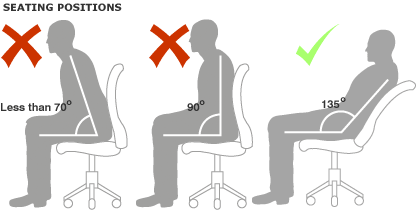
Sit tall with a neutral spine, feet flat, hips slightly above knees, and shoulders relaxed.
I have spent years helping people fix pain and focus by teaching the best sitting posture for long hours. This guide pulls together practical steps, simple science, and hands-on tips you can use today to sit comfortably, reduce discomfort, and stay productive for extended stretches.
Why posture matters for long hours
Good posture is more than looking upright. The best sitting posture for long hours reduces strain on joints and muscles, improves breathing, and lowers fatigue. Research shows small posture changes cut neck and back pain and help you concentrate more easily.
Sitting badly for long hours compresses discs, tightens hips, and weakens core muscles over time. If you want sustainable comfort and fewer breaks for pain relief, learning the best sitting posture for long hours is essential.
Core principles of the best sitting posture for long hours
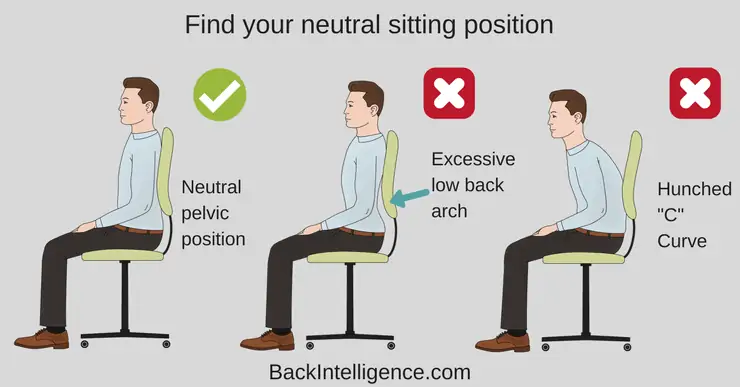
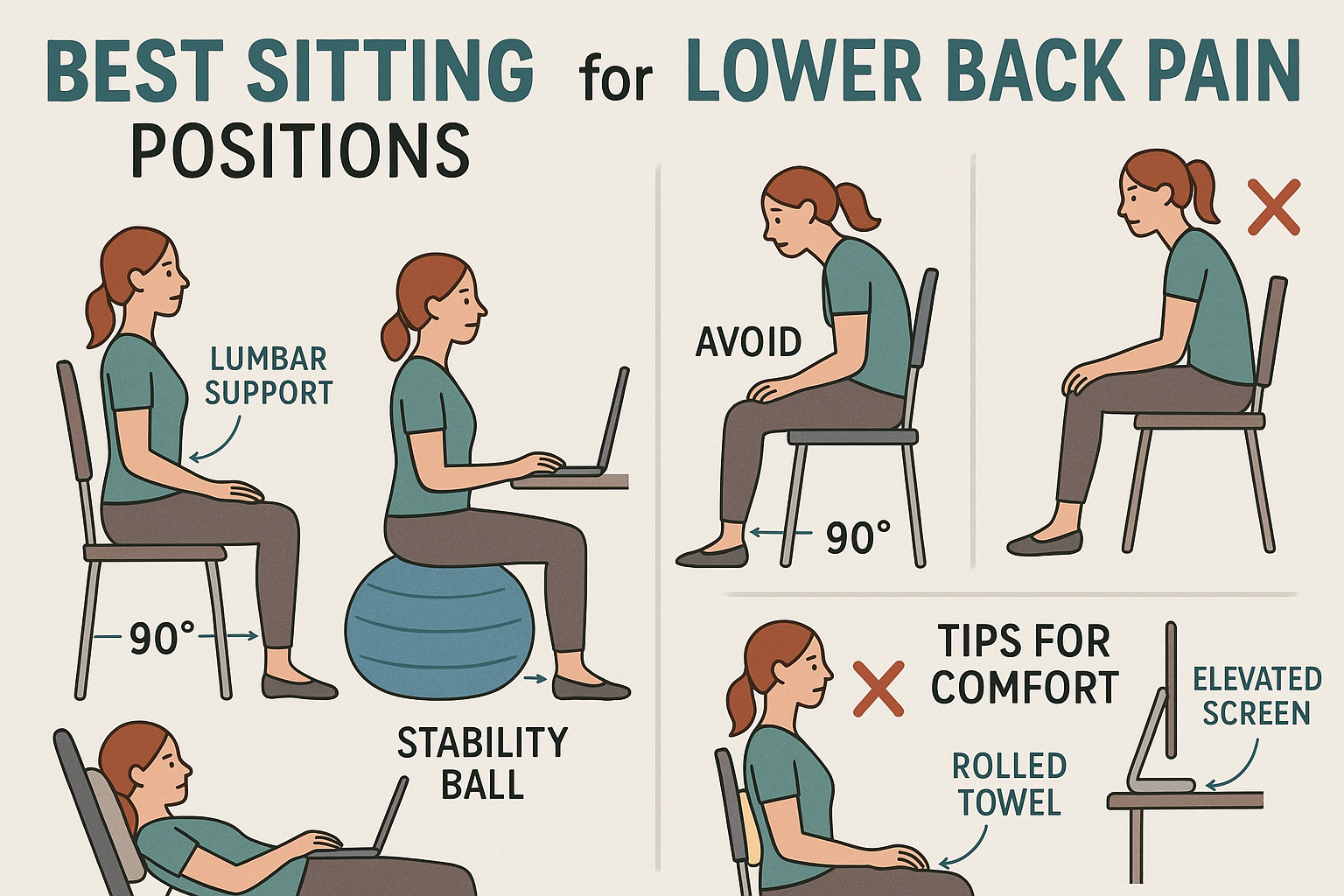
Start with a few core ideas. Keep your spine neutral, maintain slight lumbar curve, and avoid slouching. Let your hips and knees form comfortable angles, and keep feet grounded.
Key principles to remember:
- Neutral spine: Maintain the natural curves of your lower and upper back.
- Hip position: Hips should be slightly higher than knees or level, not below.
- Feet placement: Keep feet flat on the floor or a footrest, not dangling.
- Shoulder and head: Relax shoulders, tuck chin slightly, and keep ears aligned over shoulders.
- Movement: Change position often and use micro-breaks to avoid stiffness.
These simple rules form the base of the best sitting posture for long hours and can be applied in any chair or workstation.
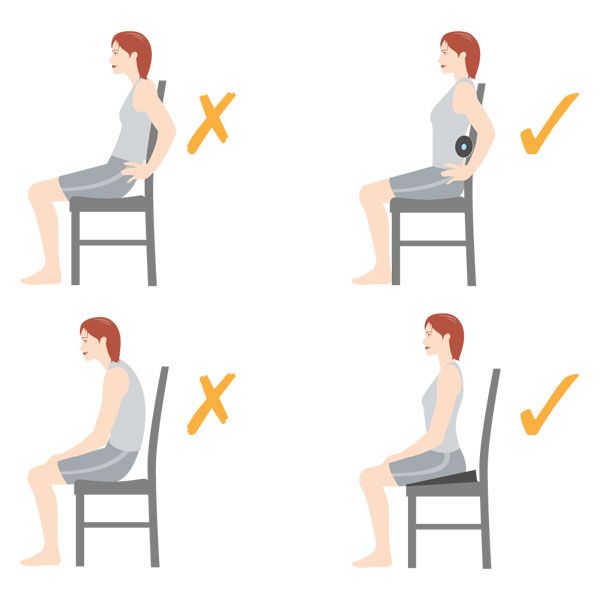
Step-by-step: How to sit correctly for long hours
Follow this short routine each time you sit to lock in the best sitting posture for long hours.
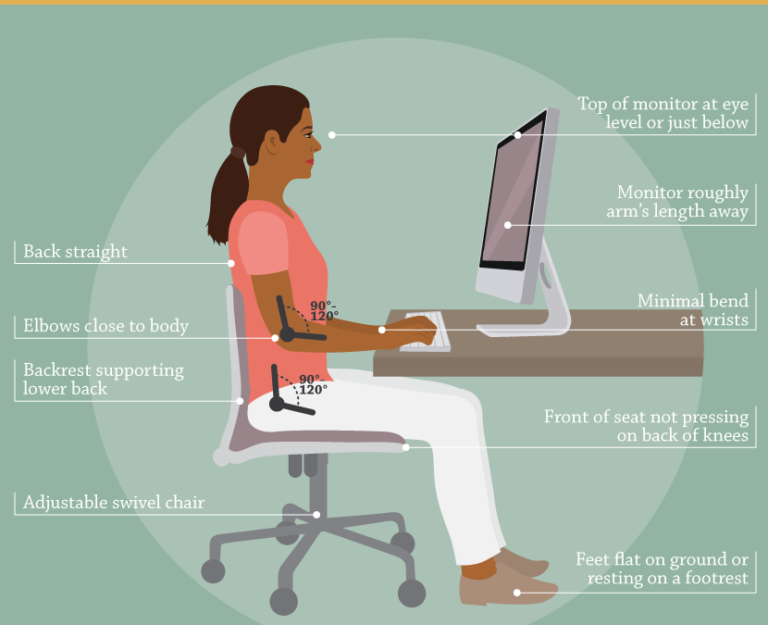
- Sit back in the chair so your lower back touches the lumbar support.
- Plant both feet flat on the floor with knees at or slightly below hip level.
- Adjust seat depth so there is a 1–2 inch gap behind your knees.
- Tilt the pelvis slightly forward to restore the natural curve in the lower back.
- Keep shoulders relaxed and elbows close to your body at 90–110 degrees.
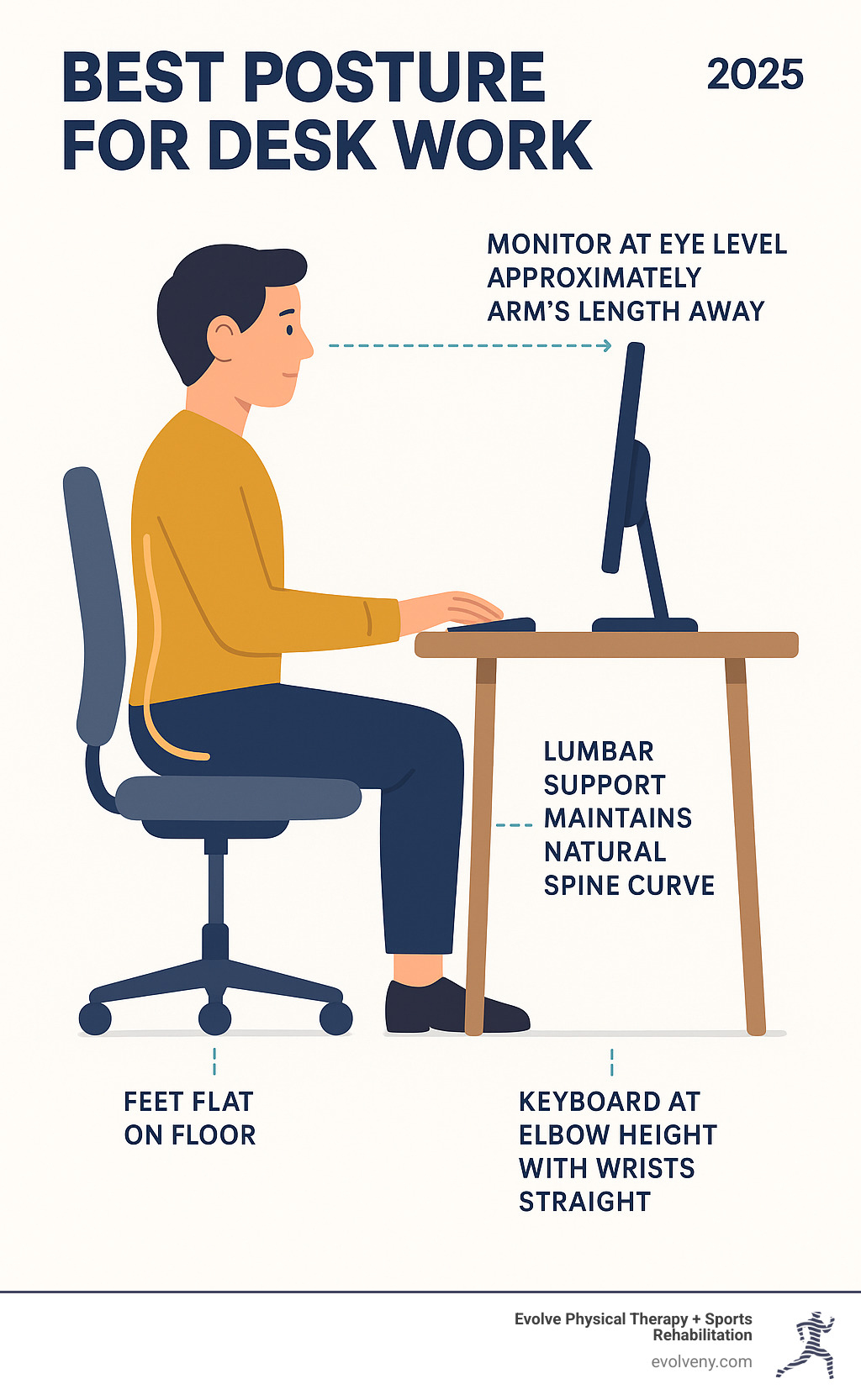
- Position the top of your screen at eye level and about an arm’s length away.
I often coach clients through these steps one at a time. Small adjustments add up and make the best sitting posture for long hours comfortable and repeatable.
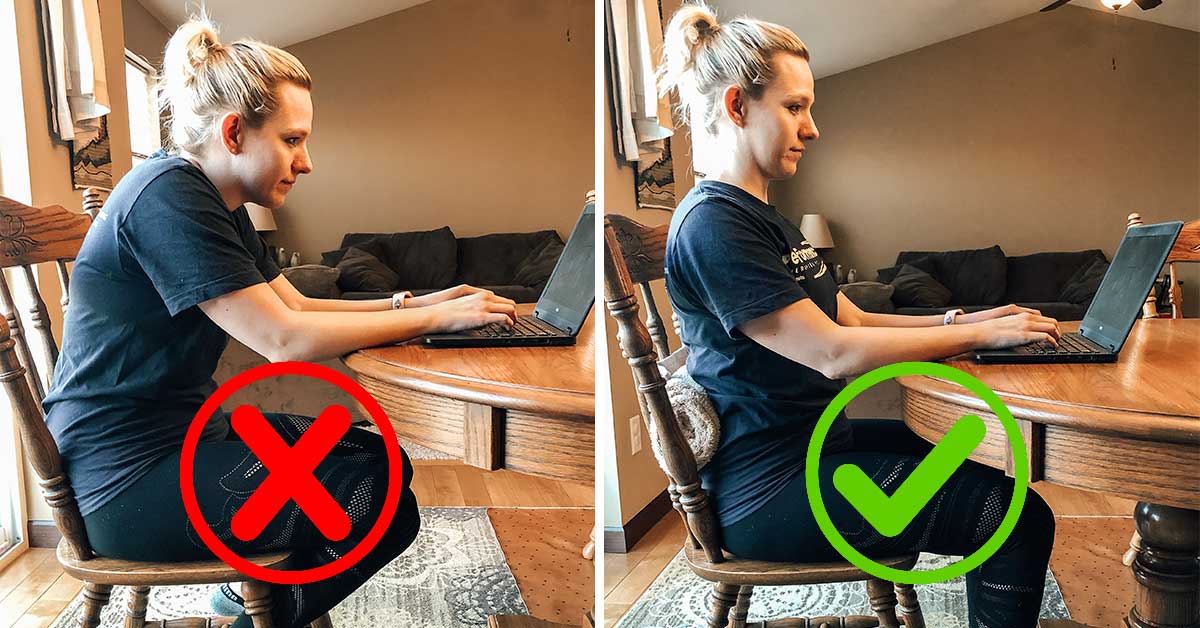
Workstation setup to support the best sitting posture for long hours
An ergonomic setup makes maintaining posture easy. Adjust your workstation to support the body, not force it to adapt.
Essentials for long sitting:
- Monitor: Top of screen at or just below eye level to avoid looking down.
- Keyboard and mouse: Close enough to keep elbows near the body and wrists neutral.
- Chair: Adjustable height, good lumbar support, and seat depth suited to your thigh length.
- Desk height: Should allow a 90–110 degree elbow angle when typing.
- Foot support: Use a footrest if feet cannot rest flat on the floor.
- Lighting: Reduce glare to avoid neck twisting or leaning.
A well-set workstation makes the best sitting posture for long hours feel natural, not like an extra chore.
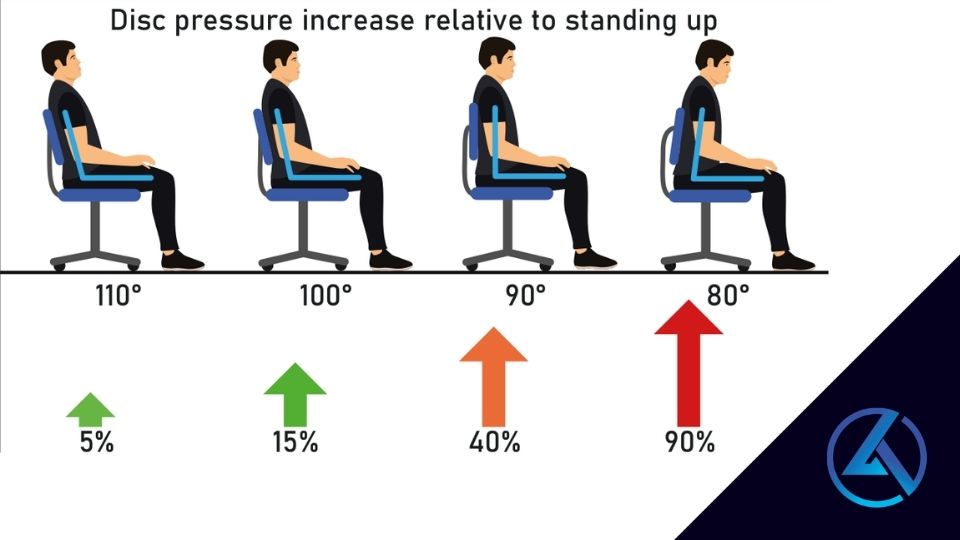
Common sitting mistakes and quick fixes
People repeat a few common posture mistakes that cause pain during long hours. Catching these early prevents chronic issues.
Common mistakes and fixes:
- Slouching forward: Sit back, use lumbar support, and lengthen your spine.
- Hunching shoulders: Drop and relax shoulders, gently squeeze shoulder blades down.
- Crossing legs: Keep both feet grounded to support pelvic balance.
- Screen too low: Raise the screen to eye level to reduce neck flexion.
- Sitting static: Stand or move every 20–40 minutes for 1–2 minutes.
I used to sit too far forward when working on tight deadlines. A simple reminder to breathe and press my back into the chair solved the persistent neck tightness I had. These fixes make the best sitting posture for long hours doable, even on busy days.

Micro-breaks, stretches, and simple exercises
Movement is part of posture. Short, regular breaks prevent stiffness and help you return to the best sitting posture for long hours.
Quick routine you can do at your desk:
- Every 20 minutes: Shift your position and roll your shoulders for 20 seconds.
- Every 40 minutes: Stand up, march in place, or walk for 1–2 minutes.
- Every 60–90 minutes: Do 5 minutes of targeted stretches—hip flexor stretch, chest opener, and seated spinal twists.
- Core activation: Gentle pelvic tilts and seated bridges for 1–2 minutes daily improve support.
I track my breaks with a timer app. Even two minutes of movement lifts my energy and keeps my posture steady for the next work block. These habits complement the best sitting posture for long hours and protect long-term spinal health.

Chairs, tools, and accessories that help
Not every chair is equal. The right chair and a few tools can make practicing the best sitting posture for long hours easier.
Helpful options:
- Ergonomic office chair: Adjustable lumbar, seat depth, and armrests.
- Lumbar cushion: Adds targeted lower back support if your chair lacks it.
- Seat wedge: Encourages a slight forward pelvis tilt for a neutral spine.
- Footrest: Supports feet and reduces pressure if desk height forces feet off the floor.
- Sit-stand desk: Alternating standing and sitting reduces continuous load.
- External keyboard and monitor arm: Allows proper screen and hand positioning.
I tested several chairs over the years. The chair that allowed small adjustments made the biggest difference. Start with small tools like a lumbar cushion before committing to an expensive chair. These help you maintain the best sitting posture for long hours without constant effort.
When posture changes aren’t enough: limits and when to see help
Posture helps most people, but it is not a cure-all. Persistent pain, numbness, or weakness may need professional care.
Signs to seek help:
- Sharp or radiating pain down an arm or leg.
- Numbness, tingling, or progressive weakness.
- Pain that improves little with posture changes and exercise.
- New balance issues or severe mobility loss.
I’ve advised clients to see a clinician when symptoms didn’t improve after two weeks of consistent posture and movement changes. Early assessment prevents small issues from becoming chronic problems. The best sitting posture for long hours reduces risk, but medical advice is essential when red flags appear.
Practical tips to build lasting posture habits
Small habits beat big one-time fixes. Use easy routines to make the best sitting posture for long hours automatic.
Habit-building tips:
- Use a consistent cue: Stand and reset posture every time you open a new document.
- Set gentle timers: Reminders for micro-breaks and posture checks.
- Track pain and progress: Note what helps or worsens your symptoms.
- Start slow: Change one thing at a time to learn what works.
- Reward progress: Notice reduced pain or improved focus and celebrate small wins.
My most successful clients used timers and a single habit cue for a month. That consistency turned mindful posture into a new default that supports long work sessions.
Frequently Asked Questions about best sitting posture for long hours
What is the best sitting posture for long hours at a desk?
Sit with a neutral spine, hips slightly higher than knees, feet flat on the floor, and shoulders relaxed. Position the screen at eye level and keep elbows close to the body.
How often should I take breaks when sitting for long hours?
Take short micro-breaks every 20–40 minutes and a longer movement break every 60–90 minutes. Even two minutes of movement reduces stiffness and mental fatigue.
Can a standing desk replace correct sitting posture?
A standing desk reduces continuous sitting but does not replace posture. Alternate sitting and standing and maintain a neutral spine in both positions.
Does lumbar support really help with sitting for long hours?
Yes. Proper lumbar support helps maintain the natural lower back curve and reduces strain when sitting for long hours. Choose adjustable support for best results.
Will exercises fix posture problems caused by long sitting?
Exercises can strengthen muscles and improve posture but must be paired with better sitting habits. Consistent movement and workstation adjustments are also needed.
Conclusion
Adopting the best sitting posture for long hours is simple, practical, and powerful. Keep a neutral spine, set your workstation to support your body, move often, and use tools where needed to reduce pain and boost focus. Start with one change today—adjust your chair or set a timer for breaks—and build on that habit. Share your experience or questions below, subscribe for more tips, or try one posture change this week and notice the difference.