Most uncomfortable chairs can be fixed at home with cushions, lumbar support, and simple repairs.
I’ve spent years fixing chairs and testing cheap and clever fixes. In this guide I show how to fix uncomfortable chair at home step by step. I explain causes, tools, quick DIY patches, and long-term fixes. Read on for clear, tested methods you can do with basic tools and low cost.
:max_bytes(150000):strip_icc()/dining-room-mistakes-GettyImages-1315344554-8e4b003997044db2a762ab7b4aec5a68.jpg)
Why chairs feel uncomfortable
Chairs get uncomfortable for a few clear reasons. The padding can collapse. The shape may not support your spine. The seat height or angle might be wrong. Fabric can wear and create pressure points. Understanding the cause helps you fix it faster.
I’ve fixed office chairs, dining chairs, and old armchairs. When I diagnose a chair, I look at padding, frame, tilt, and height. Simple fixes often work. Some problems need deeper repair or new parts.

Tools and materials you’ll need
Gather a few items before you start. Most fixes use cheap tools and foam. Here is a basic list to tackle how to fix uncomfortable chair at home.
- Screwdrivers, Allen keys, and pliers for hardware.
- Utility knife and scissors for trimming.
- High-density foam or memory foam pads for support.
- Lumbar roll or small cushion for lower back support.
- Zip ties, wood screws, and wood glue for frame fixes.
- Fabric tape, upholstery adhesive, and replacement fabric if re-covering.
Keep a tape measure and a notepad. Measure seat depth, width, and height. Notes help if you buy parts later.

Quick fixes you can do today
These fast fixes are cheap and work now. Use them to test what helps before you change the chair more.
- Add a seat cushion
- Use a high-density foam or a folded towel. This evens pressure and reduces pain.
- Add lumbar support
- Place a small cushion or lumbar roll at the lower back. It restores natural curve.
- Adjust seat height
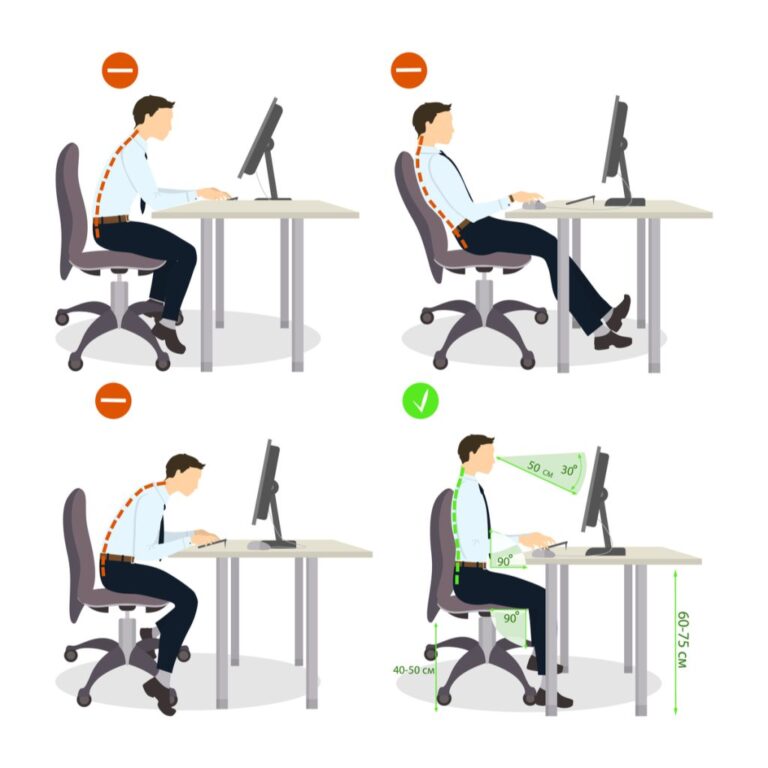
- Raise or lower the chair so feet sit flat and knees form a 90-degree angle.
- Fix wobble with shims
- Use rubber pads or folded cardboard under short legs to stop rocking.
- Replace or add arm padding
- Wrap foam around worn armrests and secure with fabric tape.
Try one fix at a time. Track how your body feels. Short tests tell you which change helps most.
Upholstery and structural repairs
Some chairs need deeper work. You can reupholster, replace padding, or repair frames at home. These steps help when simple fixes fail and explain how to fix uncomfortable chair at home for a lasting result.
- Remove old fabric carefully and keep it as a pattern.
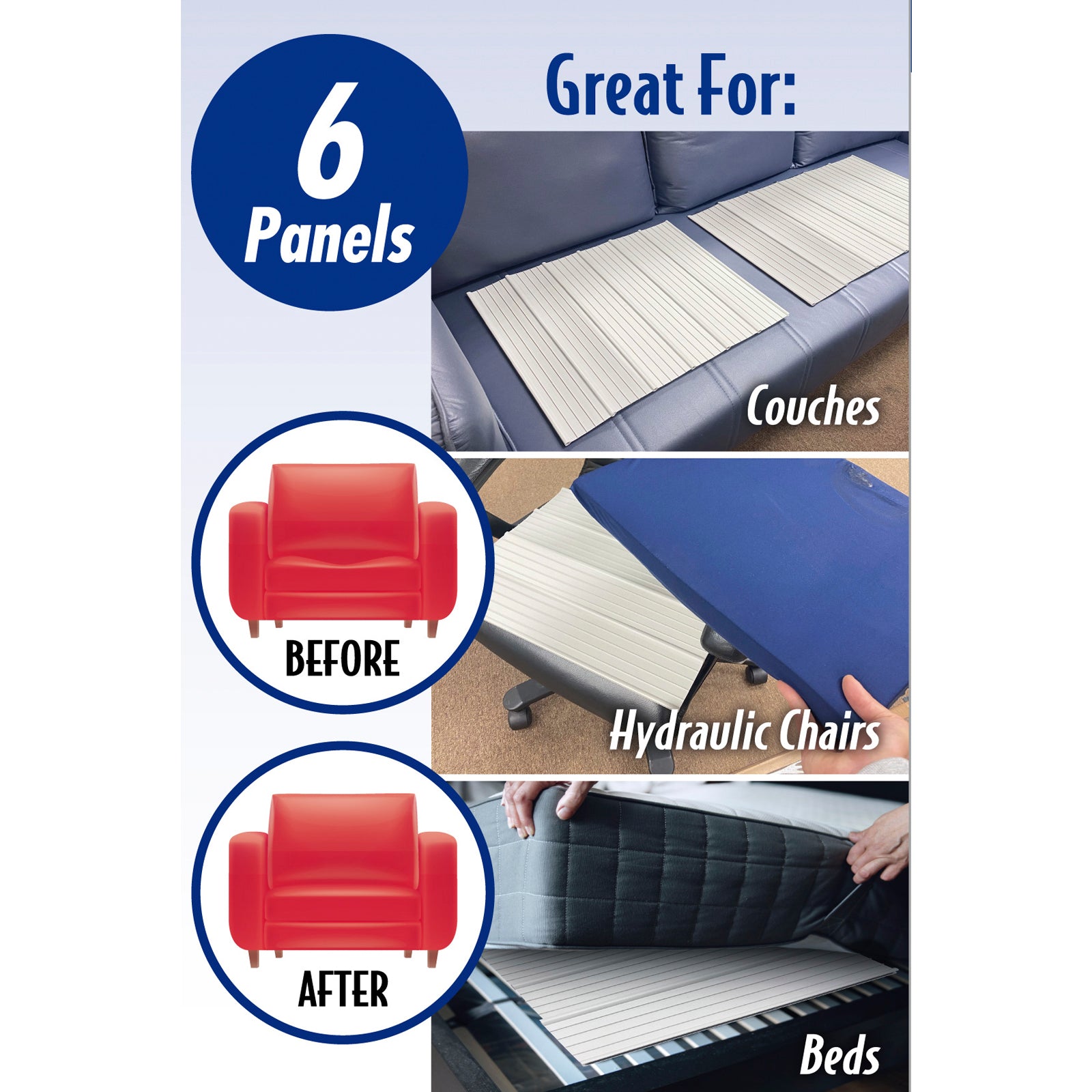
- Replace foam with higher-density foam sized to the seat.
- Patch broken frames with wood glue and screws or metal brackets.
- Reattach webbing or springs under the seat to restore support.
- Use heavy-duty upholstery fabric and staple it neatly for a clean finish.
I reupholstered an old dining chair using a plywood base and high-density foam. The seat felt new. Expect basic projects to take 1–3 hours for one chair.

Ergonomic adjustments and posture tips
Fixing a chair often means changing how you use it. Small posture and layout tweaks can solve issues fast.
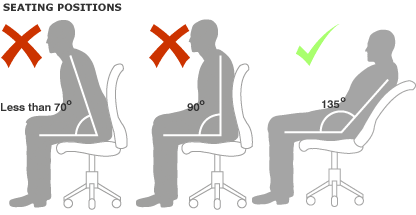
- Set chair height so hips are slightly higher than knees for good blood flow.
- Use a footrest if your feet don’t reach the floor comfortably.
- Move monitor to eye level to reduce forward head posture.
- Take short breaks and stand every 30–45 minutes to relieve pressure.
Ergonomics research shows support and position reduce pain. These changes complement physical repairs when you learn how to fix uncomfortable chair at home.

When to repair vs replace
Not all chairs are worth fixing. Use repair when the frame is sound and the cost is lower than new. Replace when the frame is cracked, parts are missing, or repairs cost more than replacement.
Signs to replace:
- Cracked or bent frame that won’t hold weight.
- Missing or irreparable gas lift or base for office chairs.
- Extensive mold or persistent odors in cushions.
- When the chair still causes pain after proper padding and posture fixes.
If you decide to buy new, use what you learned about comfort. Test seats in store for firmness, lumbar support, and height. This prevents repeating the same problem.

Maintenance tips to keep chairs comfortable
Small care keeps chairs comfy for longer. Use these steps to prevent a repeat and maintain any fixes you made to learn how to fix uncomfortable chair at home long term.
- Rotate and flip cushions every few months to even wear.
- Clean spills quickly to protect fabric and foam.
- Tighten screws and bolts regularly to keep the frame stable.
- Replace foam after 2–5 years depending on use.
- Use chair mats or felt pads to reduce leg wear and floor damage.
I check my chairs every three months. Tightening one loose bolt once saved me from replacing a base later.

Common quick questions answered (PAA-style)
How long does a DIY chair fix take?
Most simple fixes take 10–60 minutes. Reupholstery or frame repair can take 1–4 hours.
Will a cushion solve all discomfort?
A cushion helps many issues but not frame or severe posture problems. Test with a cushion first.
Can I replace office chair gas lift at home?
Yes, you can replace it with the right part and tools. Match size and weight rating for safety.
Is memory foam better than high-density foam?
Memory foam offers pressure relief. High-density foam holds shape better for long-term support.
Do ergonomic adjustments actually help?
Yes. Changing height, lumbar support, and screen position reduces strain and makes chairs feel better.

Frequently Asked Questions of how to fix uncomfortable chair at home
Why does my chair hurt my lower back?
Poor lumbar support and a low seat depth often cause lower back pain. Add a lumbar cushion and check seat height to restore natural spine curve.
How can I make a hard chair feel softer?
Place a high-density foam pad or memory foam topper on the seat. Layering a thin cushion under fabric works fast and looks neat.
Can I fix a wobbling chair leg myself?
Yes. Tighten loose screws first. If the leg is uneven, add a rubber shim or replace the damaged leg. Secure with glue or new screws for durability.
What foam density should I use to replace seat padding?
Choose foam at 1.8–2.8 lbs per cubic foot for seating. Higher density holds shape longer and offers better support for daily use.
How do I know when to replace my chair?
Replace when the frame is damaged, the base or gas lift fails, or repeated fixes don’t remove discomfort. Long-term poor support also means time for a new chair.
Conclusion
Fixing an uncomfortable chair at home is doable. Start by diagnosing the cause: padding, shape, height, or frame. Try cheap fixes like cushions and lumbar support first. Move to reupholstery or frame repair if needed. Keep tools on hand and do small checks every few months.
Take action now: try one quick fix today and track how you feel. If it helps, you saved money and time. If not, consider a deeper repair or a new chair that matches your body and work style. Share your results or ask questions below to get tailored tips.